
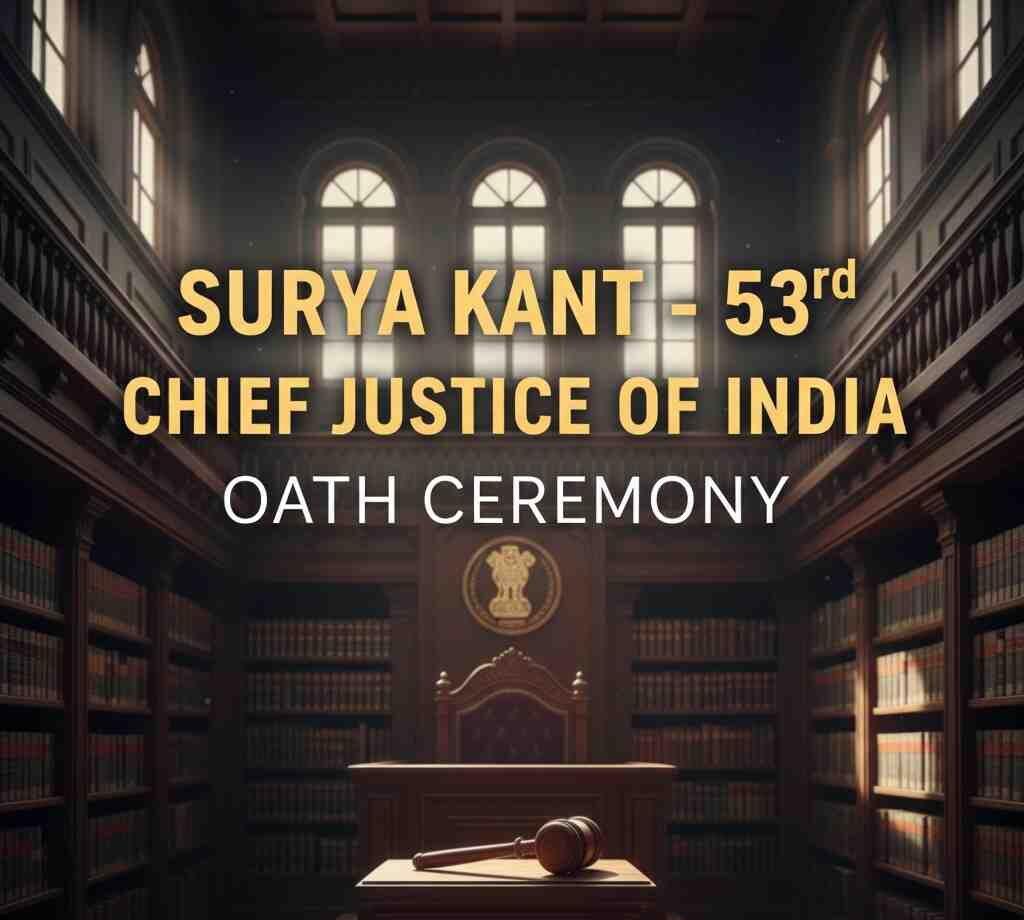
Surya Kant to Take Oath as 53rd Chief Justice of India: India is set to witness a historic moment in its judicial annals when Justice Surya Kant takes oath as the 53rd Chief Justice of India (CJI) on Monday. He succeeded Chief Justice B. R. Gavai, who had demitted office on superannuation, having attained the age of 65 years in August 2020. Seniority principle in the Supreme Court system: The shift represents the perpetuation of a seniority principle practiced in the Supreme Court, wherein if more than one judge has served on a bench, then the most senior sitting judge is next appointed as Chief Justice of India.
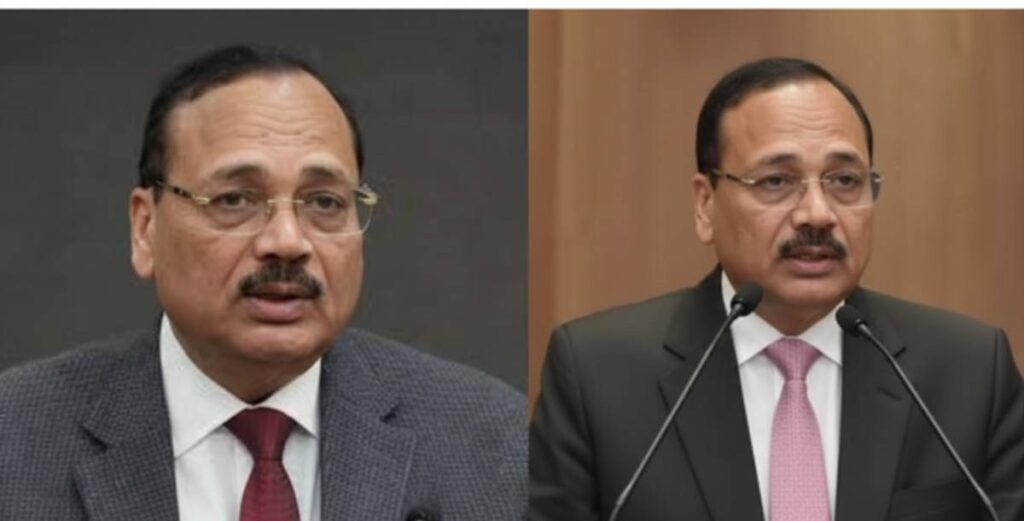
A Milestone in the Indian Judiciary
The inauguration of a new Chief Justice is not just a ceremonial formality, but it actualizes the transfer of command for running the nation’s top court. The Chief Justice is also accountable for judicial administration, setting of benches, and the protection of fundamental rights. Justice Surya Kant’s appointment is likely to provide continuation as well as a fresh impetus to the judicial system.
Professional career of Justice Surya Kant
Opportunity knocks at the doors of those who come from humble backgrounds, says Judge Surya Kant. Justice Surya Kant has seen his legal profession evolve from rags to respect. Having started his career as a lawyer in the district courts, he was known to have mastered constitutional, civil, and service law over time. His skill as a lawyer and his integrity were instrumental in his being designated a state’s Advocate General – one of India’s youngest at the time.
He was later promoted to the High Court as a judge and later went on to become Chief Justice of a High Court prior to being elevated to the Supreme Court of India. Over the years, he has written and contributed to a number of significant judgments that reflect an understanding of citizens’ rights, administrative efficacy, as well as governance, all imbued with justice. His story is one of commitment, hard work, and upholding the law.
Focus Areas During His Tenure
All chief justices assume both the virtues and vices of the judicial branch. Justice Surya Kant will probably look at the following things more specifically, which have been debatable throughout the legal fraternity:
Reducing Case Backlog
India’s courts are clogged with a backlog of cases. The leadership of a Chief Justice is crucial to improving efficiencies in case-management systems, rendering expeditious hearings, and espousing the employment of technology in justice dispensation. Justice Kant is keen to address the backlog more efficiently and focus on issues that directly affect the common man.
Facilitating Mediation and Other ADR Measures
In order to ease the strain on courts—and get disputes settled more quickly—many experts in law favor mediation and arbitration. Justice Kant has reportedly supported non-adversarial avenues and could help in building a more robust ecosystem outside of the litigation process.
Strengthening Access to Justice
Access to justice—whether in the form of virtual court appearances, better legal aid, or infrastructure—remains an urgent aspiration. Legal experts anticipate that the new CJI will continue the work to make the judicial system more accessible and approachable, especially to those from marginalized sections of society.
National and International Significance
Any movement from the CJI’s office is keenly watched by the legal community, government, media, and common people. Justice Surya Kant is expected to head the Supreme Court at a time when many constitutional and public interest cases are going to be heard. His leadership will affect crucial judgments that could determine the future contours of India’s legal and social terrain.
This oath-taking, if you go global judicial community, is also being noticed. Representatives from several countries are scheduled to attend, underscoring India’s increasingly active participation in global legal mechanisms and the significance of judicial diplomacy in an interconnected world.
Frequently Asked Questions (FAQs)
Who is going to be the next Chief Justice of India?
Justice Surya Kant has been appointed as the 53rd Chief Justice of India.
Why is the Chief Justice changing?
Justice Surya Kant has been appointed as the 53rd Chief Justice of India.
For how long will Justice Surya Kant be the CJI?
He will hold office until he is 65, which means his term in office will last for more than a year.
Conclusion
The appointment of Justice Surya Kant as the Chief Justice of India marks a new era for the Supreme Court and the country’s legal system. With a vast judicial background and a reputation for fairness, he carries the heavy burden of upholding constitutional values while making justice more efficient and accessible. His tenure is awaited with great hope across the legal world and the nation.

