Abhinav Kashyap defamation: Here’s why court has ordered the filmmaker to not make defamatory posts against Salman Khan in ₹9 crore case.
Introduction
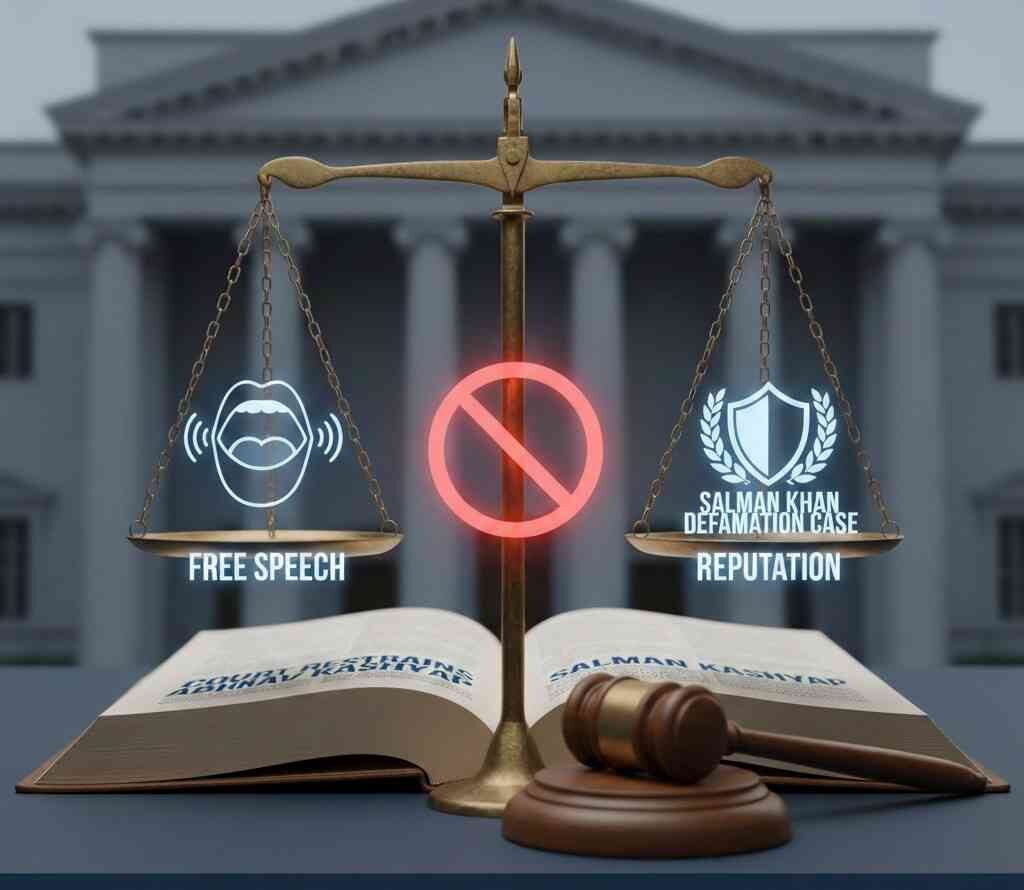
In a major judgment that reiterates restriction on freedom of speech in India, a civil court has prevented film director Abhinav Kashyap from speaking or writing anything derogatory about Bollywood actor Salman Khan. The order is in relation to a ₹9 crore defamation suit filed by Khan, perhaps reiterating that the freedom of expression and speech does not mean free license to make defamatory or abusive attacks on an individual’s reputation.
Background of the Defamation Case
One of these is helmer Abhinav Kashyap, who directed “Dabangg,” one of Salman Khan’s biggest hits. These were repeated on social media and public statements, they also received a large platform.
Salman Khan, however, dismissed the claim and moved the civil court for sanction of:
- Defamation damages of ₹9 crore
- Restraing Khachyap from making any further defamatory statements
What the Court Ordered
The court further issued a temporary injunction; The Interim Injunction thereby directed Abhinav Kashyap :
- Don’t be disrespectful by using negative or abusive language on Salman Khan
- Do not make and publish or disseminate such remarks through social media, interviews or otherwise in any public forum until the case is ultimately decided.”
It is not a final adverse determination on the truth or liability, but an “action taken to prevent further alleged injury to reputation during the pendency of a lawsuit.”
Court’s Reasoning: Free Speech Isn’t Absolute
The court made it clear that:
- Freedom of speech is provided in Article 19(1)(a) of the Constitution of India
- but that right is not absolute
- Article 19(2) permits “reasonable restrictions” in the interest of the defamation, public order, morality or decency.
The court observed that:
Freedom of speech cannot be invoked as a protective device to make baseless, and abusive allegations which amount to libel, defamation or slander affecting another.
Why This Order Is Legally Important
This case is important because it affirms several legal doctrines:
Reputation Is a Protected Right
The Indian courts have repeatedly accepted the reputation to be part of the fundamental right to life under Article 21 of the Constitution.
Nor Are Social Media Statements Exempt
According to media laws lawyers in India, online posts and Instagram/Facebook messages are considered as published material and can lead to both civil and criminal defamation liability.
Interim Injunctions in Defamation Cases
Courts may issue temporary restraints when:
- Statements appear prima facie defamatory
- Continued publication may cause irreparable harm
- Balance of convenience favors protection of reputation
What Happens Next in the Case
- The defamation suit will continue
- The two sides will offer evidence and arguments
The court will later decide:
- Whether the statements were defamatory
- Whether damages are payable
- Whether a permanent injunction is necessary
The interim order remains in force until final adjudication or further court orders.
Broader Impact on Public Discourse
This ruling is a powerful signal that:
This ruling sends a strong message that:
- Public figures can be criticized, but abuse and unverified allegations cross legal boundaries
- “Speaking one’s truth” does not override legal responsibility
- Courts are increasingly scrutinizing digital speech and celebrity disputes
Conclusion
The restraint shown by the court vis-à-vis Abhinav Kashyap highlights an important legal fact: freedom of expression is not unaccountable. While critique and dissent are protected, defamatory speech — especially in an era of online reportage — will often draw judges who want to tamp down responsibility-shunting scandal. As the case makes its way through court, it is likely to continue to shape how Indian courts weigh free speech, celebrity conflicts and reputational rights.
Frequently Asked Questions: What Court Orders Abhinav Kashyap must Take in Salman Khan Defamation Case
What constitutes defamation according to Indian law?
Libel is the act of putting forth a statement that’s untrue about someone that damages their reputation. It can be: Civil defamation (claim for damages) Criminal defamation
Is this decree an infringement of free speech?
No: Courts have ruled that reasonable limits on speech are constitutionally permissible, especially when they preserve reputation.