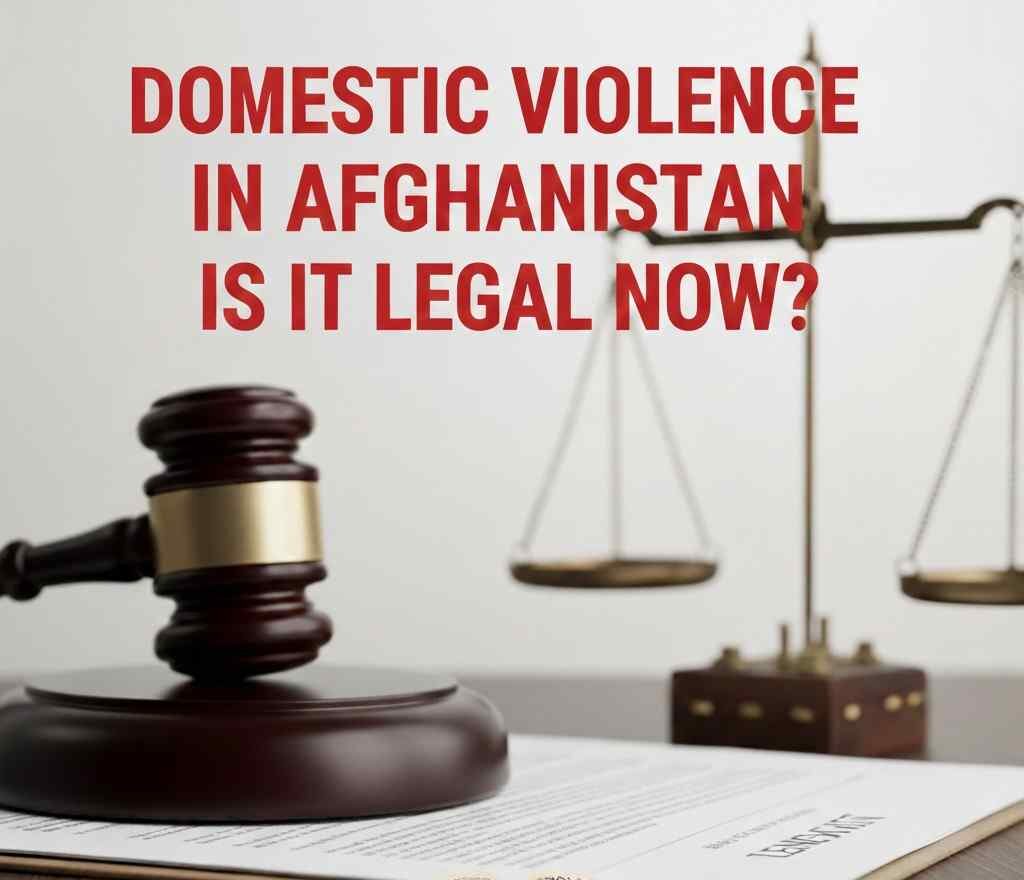
Afghanistan’s new Taliban criminal code reportedly permits “physical discipline” of wives and children if no broken bones or open wounds occur. Read a detailed legal analysis, human rights implications, and global reaction in this comprehensive 2026 guide.
Introduction
Afghanistan’s legal framework has undergone significant transformation since the return of the Taliban to power in 2021. The latest controversy surrounds provisions in the country’s newly enforced criminal code, which reportedly allow husbands to physically discipline wives and children—provided the act does not cause “broken bones or open wounds.”
The development has triggered global criticism from human rights organizations, legal experts, and women’s advocacy groups. The reported language reflects a dramatic shift from international human rights norms and raises serious concerns about the protection of women and children in Afghanistan.
Background: Legal Changes Under Taliban Rule
After reclaiming control of Afghanistan in August 2021, the Taliban dismantled many institutions built during the previous government, including mechanisms designed to protect women from violence. The group reinstated strict interpretations of Islamic law (Sharia), replacing constitutional protections and international legal commitments previously recognized by the Afghan state.
Under the prior Afghan legal framework, domestic violence was criminalized through the 2009 Elimination of Violence Against Women (EVAW) Law. However, that law has effectively been abandoned under the Taliban’s current governance structure.
The newly enforced penal provisions reportedly allow “disciplinary” physical force within family structures, provided visible or severe physical harm—such as broken bones or open wounds—does not occur.
What Does the New Criminal Code Reportedly Say?
According to multiple reports:
- Husbands may physically discipline wives.
- Parents may physically discipline children.
- Physical punishment is considered acceptable if it does not result in:
- Broken bones
- Open wounds
- Severe or permanent injury
The language appears to legitimize corporal punishment within domestic settings, significantly narrowing the threshold at which abuse becomes punishable.
Legal analysts note that this creates ambiguity:
- What qualifies as “severe injury”?
- How will evidence be assessed?
- Who determines whether harm crosses the legal threshold?
Such ambiguity can make enforcement inconsistent and may discourage victims from reporting abuse.
Legal Analysis: Why This Is Controversial
Conflict with International Human Rights Law
Afghanistan remains bound—at least formally—by several international conventions ratified before the Taliban takeover, including:
- Convention on the Elimination of All Forms of Discrimination Against Women (CEDAW)
- Convention on the Rights of the Child (CRC)
Permitting physical discipline that stops short of visible severe injury contradicts global human rights standards that require states to prevent all forms of domestic violence.
Reversal of Previous Legal Protections
The abandonment of the EVAW law represents a regression in women’s legal protection. Previously:
- Domestic assault was criminalized.
- Victims could seek state protection.
- Shelters and legal aid systems existed.
Many of those institutions have reportedly been dismantled or severely restricted.
Normalization of Violence
Critics argue that by legally defining acceptable levels of physical harm, the state effectively normalizes domestic violence rather than deterring it. This may:
- Increase unreported abuse
- Strengthen patriarchal control structures
- Limit women’s legal recourse
Human Rights and Social Impact
Impact on Women
Women’s rights groups warn that:
- Victims may fear retaliation if they report abuse.
- Law enforcement may decline to intervene unless visible injuries are extreme.
- Legal ambiguity may empower abusers.
The broader social climate in Afghanistan already includes restrictions on women’s education, employment, and mobility, making escape from abusive environments even more difficult.
Impact on Children
Permitting corporal punishment under vague standards may expose children to increased physical and psychological harm. Research globally shows that physical punishment correlates with:
- Higher rates of anxiety and depression
- Aggressive behavior
- Long-term trauma
International Reaction
The policy has drawn criticism from:
- International human rights organizations
- Women’s advocacy groups
- Legal scholars
- Foreign governments
Many argue the measure further isolates Afghanistan diplomatically and complicates efforts for international recognition of the Taliban government.
Some countries have conditioned diplomatic engagement and financial support on improvements in women’s rights—developments like this may deepen Afghanistan’s international isolation.
Conclusion
The Taliban’s reported revisions to Afghanistan’s criminal code represent a major shift in family law and domestic violence policy. By allowing physical discipline that does not result in broken bones or open wounds, the framework appears to lower protections for women and children while raising serious human rights concerns.
The long-term consequences could include:
- Increased domestic abuse
- Reduced legal accountability
- Greater international isolation
As Afghanistan continues to redefine its legal system under Taliban rule, global attention remains focused on whether future reforms will strengthen or further weaken protections for vulnerable populations.
Frequently Asked Questions: Taliban’s New Criminal Code in Afghanistan
Has Afghanistan officially legalized domestic violence?
Reports suggest the new criminal code allows physical “discipline” within families as long as it does not cause broken bones or open wounds. While not explicitly using the term “domestic violence,” the provisions effectively permit certain levels of physical force in households.
Is domestic abuse completely unpunishable under the new law?
No. Severe injury, broken bones, or open wounds may still trigger legal consequences. However, the threshold for criminal liability appears significantly higher than under previous laws.
Why is the “broken bones or open wounds” clause controversial?
Because it sets a visible injury threshold, potentially allowing physical harm that does not leave obvious marks. This creates legal ambiguity and may discourage reporting.