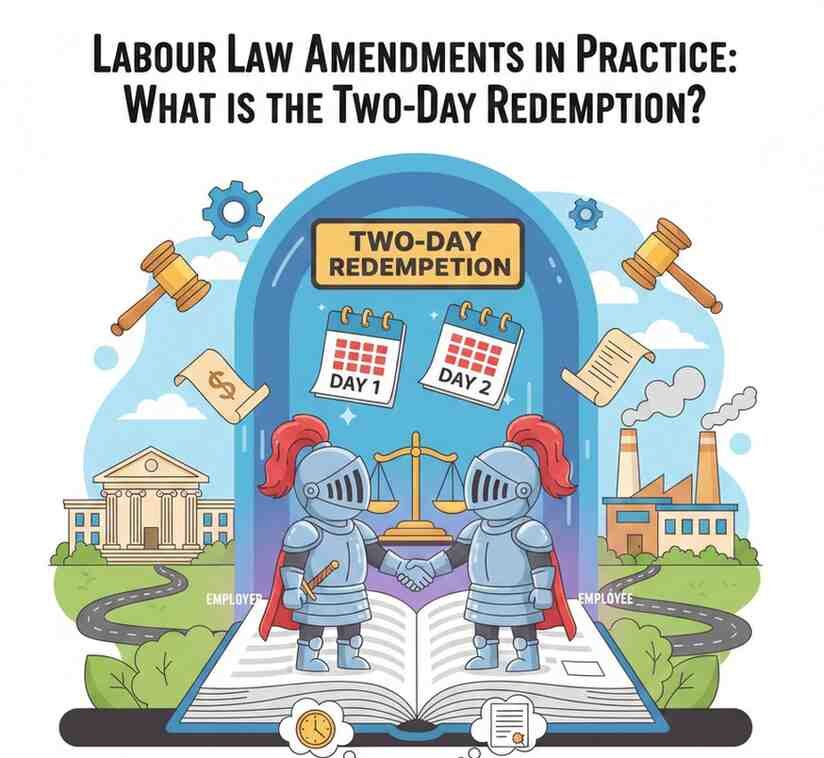
Labour Law Amendments in Practice: What is the Two-Day Redemption? India’s new labour codes say full and final settlement must be made by the employer within two days of quitting.
Introduction: A Massive Transformation in India’s System of Labour Law
The labour law regime in India has seen a sea of change with the enforcement of the new labour codes. The change that has a direct impact on employers and employees: your employer must provide you with the Full and Final settlement (F&F) within two days from your last day of working, in case you resign or are terminated.
The move is to save workers from delayed payments, bring in transparency, and modernize employment practices across all industries.
What is a full and final settlement?
Full and final settlement is done when an employer relieves an employee from service.
Components of Full and Final Settlement:
- Unpaid salary until the last day of work
- Leave encashment
- Bonus or incentives (if applicable)
- Gratuity (subject to eligibility)
- Overtime payments
- PF/ESI/Tax/Notice pay deductions, etc.
What Are the Changes Under the New Labour Codes?
Earlier Position:
Previously, there was no specific timeframe for settlement after resignation in Indian labour laws. Several firms held off paying for weeks or even months, leaving employees short of money.
New Rule Under Labour Codes:
Under the Code on Wages, 2019, and other labour reforms:
- Full and final settlement must be made within two working days.
- Applies to resignation, dismissal, retrenchment, etc.
- The calculation shall commence from the last working day.
Reasons for the Two-Day Settlement Rule
The government introduced this rule to:
- Safeguard staff from delayed payments
- Reduce exploitation and financial uncertainty
- Facilitate ease of business through transparent compliance
- Further fair labour practices
- Align Indian laws with global standards
Applicability: Who Does This Rule Apply To?
Covered Employees:
- Employees in factories, offices, shops, and establishments
- Contract and temporary workers
- Private sector employees
- Organized sector workers
Covered Employers:
- Companies, factories, startups, and establishments
- Employers registered under labour laws
- Contractors and principal employers
Certain exceptions may apply depending on state-specific rules.
Employer Responsibilities Under the New Law
Employers must:
- Calculate dues accurately and transparently
- Pay settlement via bank transfer, cheque, or digital mode
- Provide settlement statements to employees
- Maintain records for inspection
Non-compliance can result in fines or legal action.
Penalties for Non-Compliance
If an employer fails to pay within two days:
- Monetary fines may be imposed
- Repeated violations attract higher penalties
- Workers can complain to labour authorities
- Legal action may follow under labour laws
Benefits of the Two-Day Settlement Rule
For Employees:
- Quicker access to their earnings
- Reduced dependency on employers
- Better financial stability
- Stronger legal protection
For Employers:
- Clear compliance timelines
- Fewer disputes and lawsuits
- Improved brand reputation
- Enhanced trust and morale among workers
Impact on HR and Payroll Processes
Companies must now:
- Digitize payroll systems
- Maintain real-time leave and salary records
- Streamline exit formalities
- Train HR teams in compliance
This development drives organizations toward automation and transparency.
Conclusion: Long-Term Reform that Benefits Workers
The two-day full and final settlement rule is a landmark reform in Indian labour law. By enforcing strict timelines, the government strengthens worker rights while promoting efficiency and fairness among employers.
As more states adopt it, this reform will reduce disputes, boost compliance, and foster healthier workplace relations.
Frequently Asked Questions (FAQs) on Full and Final Settlement in 2 Days
What is the two-day full and final settlement rule in the new labour codes?
The new labour codes specify that employers must clear all outstanding dues of an employee within two working days from their last day of work, whether due to resignation, termination, or retrenchment.
Which labour law introduced the two-day settlement rule?
This requirement comes from the Code on Wages, 2019, and related labour reforms designed to ensure timely wage payments and protect workers’ rights.
Does the rule apply to private companies?
Yes. It applies to all private sector employers, including factories, shops, establishments, and other organizations covered under the labour codes.
Is a full and final settlement mandatory even when an employee resigns voluntarily?
Yes. Whether the resignation is voluntary or otherwise, the employer must complete the settlement within two working days.
Is gratuity payment also required within two days?
Gratuity must be paid if the employee is eligible, though practical timelines might vary based on document verification and approval.