What to Do If Police Call You to the Station in India:
Introduction
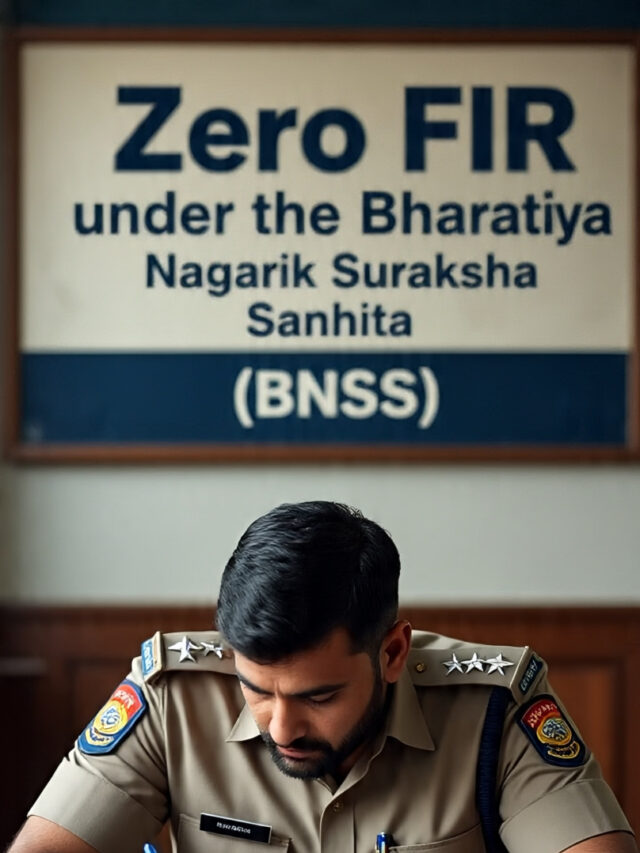
Being called to a police station in India can be stressful, especially with evolving criminal laws and procedures. With the introduction of new criminal law reforms like the Bharatiya Nagarik Suraksha Sanhita, 2023 (BNSS) replacing the old CrPC, citizens must understand their updated legal rights and obligations.
This detailed guide explains what to do if the police call you, your rights under the new legal framework, and key Supreme Court case laws that protect you.
Understanding the New Criminal Law Framework
India has recently overhauled its criminal justice system:
- CrPC (1973) → replaced by BNSS (2023)
- IPC (1860) → replaced by Bharatiya Nyaya Sanhita (BNS)
- Indian Evidence Act → replaced by Bharatiya Sakshya Adhiniyam (BSA)
Why This Matters
The procedure police follow when calling you to the station is now governed by BNSS provisions, which largely retain safeguards but aim for faster and more transparent investigations.
Why Police May Call You
Police may contact you for several reasons:
- You are a witness
- You are a suspect
- You are required to provide documents or evidence
- A complaint or FIR mentions your name
Understanding your role is crucial because your rights differ depending on whether you are a witness or accused.
Step 1: Do Not Panic – Verify the Call
When you receive a call:
- Ask for the officer’s name, rank, and badge number
- Confirm the police station details
- Ask the purpose of the call
- Note the date and time requested
Important Tip
Scam calls impersonating police are increasing. Always verify the authenticity before responding.
Step 2: Insist on Written Notice (BNSS Provision)
Under the new law (similar to old Section 41A CrPC), police must issue a notice of appearance in many cases where arrest is not required.
Key Features:
- Written notice ensures transparency
- Prevents arbitrary detention
- Clarifies your legal status
Case Law: Arnesh Kumar v. State of Bihar (2014)
The Supreme Court held that police must avoid unnecessary arrests and instead issue notice for appearance. This judgment still strongly influences current BNSS practices.
Step 3: Know Your Fundamental Rights
Right Against Self-Incrimination
Protected under Article 20(3) of the Constitution.
You cannot be forced to confess or provide evidence against yourself.
Case Law: Nandini Satpathy v. P.L. Dani (1978)
The Supreme Court ruled that even during police questioning, an accused has the right to remain silent.
Right to Legal Representation
You have the right to consult a lawyer:
- Before appearing at the station
- During questioning (to an extent)
Case Law: D.K. Basu v. State of West Bengal (1997)
The Court laid down guidelines ensuring protection against custodial abuse and emphasized access to legal counsel.
Right to Dignity and Protection from Harassment
Police cannot:
- Use force or threats
- Intimidate or coerce
- Detain you unlawfully
Case Law: Joginder Kumar v. State of Uttar Pradesh (1994)
The Supreme Court held that arrest must not be routine and must be justified.
Special Rights for Women
Under BNSS (similar to earlier law):
- Women should not be called to the police station unnecessarily
- Questioning should occur at their residence
- No arrest at night (except exceptional circumstances)
Step 4: Consult a Lawyer Immediately
Before visiting the police station:
- Contact a criminal lawyer
- Share all facts honestly
- Follow legal advice strictly
Why This Is Critical
A lawyer helps you:
- Avoid self-incrimination
- Understand your legal position
- Prevent illegal detention
Step 5: Prepare Before Visiting the Police Station
If you decide to go:
Carry:
- Government ID proof
- Copy of notice
- Relevant documents
Inform:
- A trusted family member or friend
- Your lawyer about your location
Safety Tip:
Always keep your phone active and location shared if possible.
Step 6: Your Conduct at the Police Station
What You Should Do:
- Stay calm and respectful
- Listen carefully to questions
- Answer truthfully (within your rights)
What You Should NOT Do:
- Do not sign documents without reading
- Do not give statements under pressure
- Do not volunteer unnecessary information
Step 7: Can Police Detain or Arrest You?
Detention vs Arrest
- Detention: Temporary questioning
- Arrest: Formal custody with legal implications
Police cannot detain you indefinitely without legal grounds.
Case Law: Joginder Kumar v. State of Uttar Pradesh
The Court ruled that mere suspicion is not enough for arrest.
Step 8: If Police Misuse Power
If you face harassment:
You Can:
- File complaint with senior officers (SP/DCP)
- Approach Magistrate
- File writ petition in High Court
Case Law: D.K. Basu Case
Laid down mandatory arrest procedures including:
- Arrest memo
- Informing family
- Medical examination
Key Provisions Under BNSS (2023)
While section numbers may differ slightly from CrPC, the principles remain:
- Notice for appearance instead of arrest
- Safeguards against arbitrary detention
- Rights of women and vulnerable persons
- Mandatory documentation of arrest
Common Mistakes People Make
- Ignoring police calls completely
- Going without legal advice
- Signing blank papers
- Assuming guilt or panic reacting
- Being overly cooperative without understanding rights
Practical Scenarios
Scenario 1: You Are a Witness
- You must cooperate
- You can request convenient timing
- You cannot be forced unnecessarily
Scenario 2: You Are a Suspect
- Seek legal help immediately
- Avoid self-incriminating statements
- Ensure proper legal procedure is followed
Conclusion
Under India’s new criminal law framework (BNSS 2023), citizens are better protected against arbitrary police action—but awareness is key.
If the police call you to the station:
- Stay calm
- Verify the call
- Insist on proper notice
- Know your rights
- Consult a lawyer
Understanding these steps—and the Supreme Court judgments backing them—ensures you are legally protected and confident in dealing with law enforcement.
Disclaimer
This article is for informational purposes only and does not constitute legal advice. Always consult a qualified lawyer for case-specific guidance.
FAQs: What to Do If Police Call You to the Station in India
Is it compulsory to go if police call me?
Not always. Ask for a written notice under BNSS.
Can police arrest me without notice?
Yes, but only if legal conditions for arrest are satisfied.
Can I remain silent?
Yes, especially if answers may incriminate you.
What if I ignore the notice?
Ignoring a valid notice may lead to legal consequences, including arrest.